Conservation Framing - Preserving Investments
Providing conservation framing using methods, materials and techniques to ensure protection into the future. Our museum grade conservation picture frames are helping to display and protect artwork in museums and galleries across the globe.


Description
Conservation is Woven into Everything at Harten.
Let's Get Started
Ready to Start Your Project?
Tell us about your artwork and we will provide a free, no-obligation quote. Most projects are completed within 2-4 weeks.
5 Year Guarantee · Museum Grade Quality · Free Consultation
Craftsmanship
What is Conservation Framing?
Conservation framing is a term used to describe the materials, techniques and expertise used to provide protection to artwork from damage. Conservation framing needs to take into account the location it will be displayed - providing protection against wear, accidents, UV damage and humidity.
Over 50 Years Experience
With over 50 years of experience, we have an enviable amount of knowledge in all aspects of picture framing and display solutions.

Completely Bespoke
We know quality frames and display solutions are made to measure. varying levels of protection available depending on where it's going to be located.

“I started using Harten Frameworks six years ago. These guys are the best framers in the UK, they focus on my needs and always deliver. ”
 Lincoln TownleyArtist
Construction
How We Construct Conservation Picture Frames
In conservation framing, we build frames to protect and preserve artworks, photos, and artifacts for many years. At Harten, we mix old-school skills with new methods to make frames that match museum standards. We use materials that are free from acids and stable against chemicals. This stops damage from things like acid, UV light, humidity, and dirt in the air. We put the frame together in a clean space with exact tools for cuts, joins, and fits. This keeps everything secure and stops movement or harm. We focus on being kind to the planet by getting wood from forests that get replanted and cutting down on waste.
The Frame (Moulding)
The moulding makes up the outside of the frame. It gives main support and looks good too. For conservation framing, mouldings need to be safe from chemicals. This stops them from releasing bad gases that might hurt the artwork. At Harten, we pick from woods that come from good sources, metals, and acrylics. We choose them because they stay stable and do not warp. Our woods come from suppliers we trust. They have no acids or lignin, which can turn art yellow or make it brittle over time. For wood mouldings, we add hand-gilded finishes or sharp beveled edges. We use safe, water-based glues and seals that help against changes in humidity.
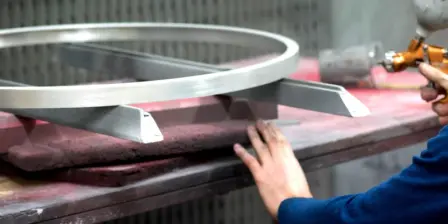
We focus on making things last and easy to take apart. For metal frames, we use smooth welds on joints. For wood, we use strong glues without acids. This lets you pull it apart with no leftover mess. Big frames get extra supports like solid bars to spread out weight. This stops stress on the art. Our way boosts strength and makes a small safe space inside. It keeps out dirt from outside. We skip finishes that react, like paints with oil. This makes sure the moulding does not add chemical risks. It fits with advice from experts who say to use materials without lignin to cut down on harm from the environment.
Glazing
Glazing is the clear layer, like glass or acrylic, that guards the art from dust, water, and UV rays. In conservation work, it matters a lot because it blocks almost all bad UV light. That light can fade colors and break down paper. Harten has options like museum glass with low glare or UV filters. We also have clear acrylics that do not break and weigh less. Acrylic works well for big or delicate items. It can have coatings that fight scratches and bonds that stay hidden to keep things clear with no twists.
Our methods include coatings that cut glare but keep the view sharp. We make sure glazing does not touch the art to stop water drops from building up. We pick UV shields that stay stable and skip additives that might leak out later. For more safety, we seal edges with tapes that fight moisture when we put it together. This keeps out dirt in the air from the frame setup. Guidelines for saving art stress using glazing that keeps the work separate. It blocks damage from light and holds steady humidity inside. At Harten, we check glazing for flaws in a set space. This makes sure it hits high standards for not fading over time.
Backing
Backing gives support at the back and seals the frame. It blocks dust, bugs, and changes in the environment. For conservation framing, backings must have no acids and fight moisture to keep things safe for archives. Harten uses boards or foam cores without acids that stay neutral and buffered. We often add solid fillers for more strength. For works on canvas, we add bars for stretching to stop warping. This keeps tension even with no weak spots.
Our methods seal the backing with neutral glues or tapes. This makes a tight space that cuts exposure to dirt and keeps conditions steady. We might add layers like wavy cardboard without acids for more power, mainly in big frames. This setup lets you take it off easy for checks. It sticks to rules for taking things apart. Buffered materials stop acids from moving in from outside. This saves the art's worth for many years.
Hinging and Attachment
Hinging holds the art to the mount or backing without harm. It puts first things that can come undone. Conservation ways skip glues that soak into the art. Instead, we use options without glue like photo corners or plastic strips for light items. For stronger holds, we use hinges from Japanese tissue with clean wheat starch paste. It dissolves in water and leaves no spots when you take it off.
At Harten, we check fittings and line-ups hard to stop any shifts. Methods include hanging hinges with crossbars for more help, drying with weights for flat sticks, and skipping linen tapes that might bring in acids. This lets the art grow and shrink with humidity in a natural way. It cuts risks of tears or buckles. We can add safe straps or corners to keep hands-off as much as possible.
Assembly and Sealing
The last step brings all parts together in a space with no dust. We check hard for line-up and fit. Conservation sealing uses tapes without acids to shut the back. This makes a safe small climate. At Harten, we add seals that fight moisture and covers for safety. We mix old joins with new exact ways for strength. This full method makes sure the frame handles use well but keeps the art in good shape. It shows our promise to care like in museums.
The framing of my piece has really made a statement in our new home, for a price that was unrivalled by any local competitors.
Speak to a Specialist
Discuss Your Project With Our Team
Our museum grade specialists will help you choose the right materials, finishes and construction for your artwork. Over 50 years of combined experience.
5 Year Guarantee · Museum Grade Quality · Free Consultation
Related Pages

Installation
We can install & hang your frames for you if required with our art installation service - Insured, Reliable, Guaranteed..

Delivery
Either a courier can be arranged, or we can hand-deliver your frames with the greatest care.

Conservation Framing
With over 50 years experience in conservation framing, get in touch to start your project and to find out about our specialist materials and processes.